
Content navigation
The Origin and History of Vera Cruz Amethyst
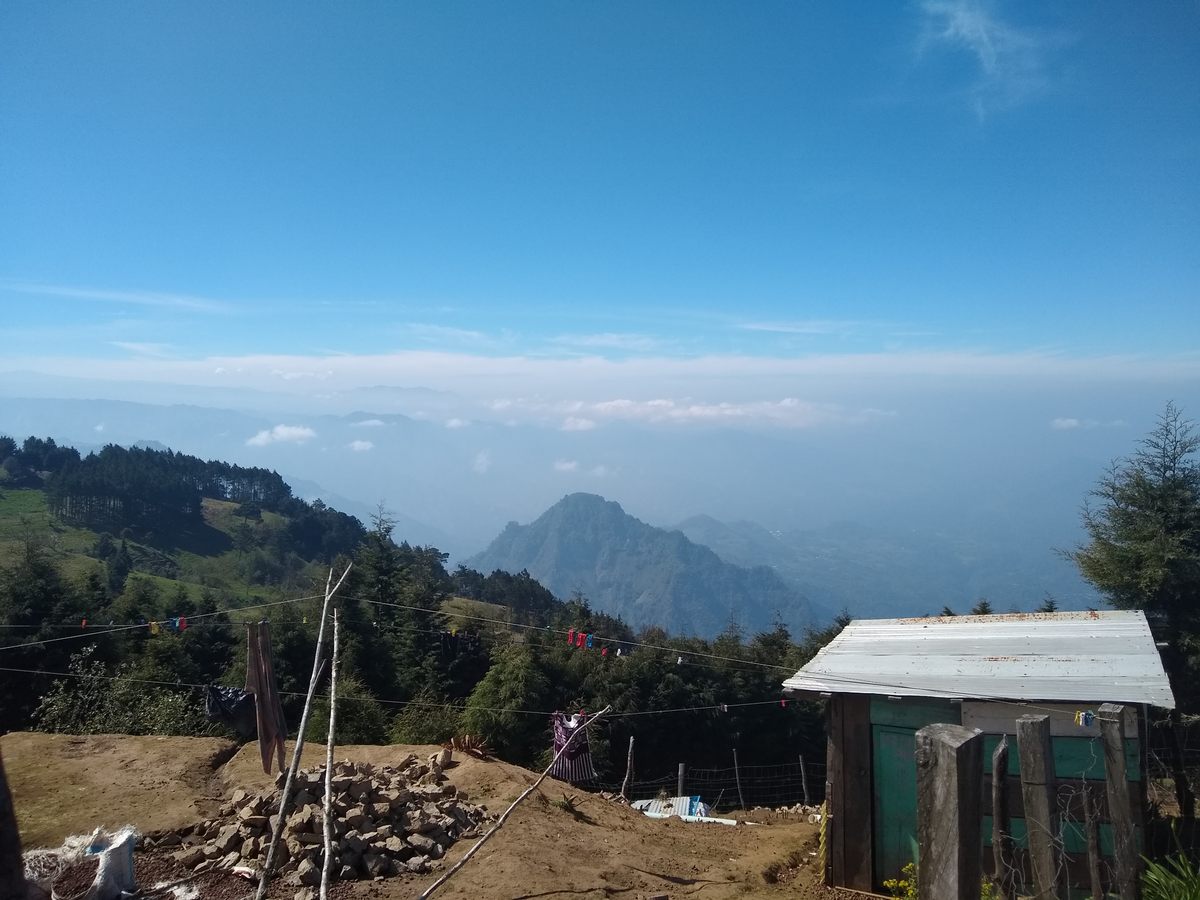
Vera Cruz Amethyst originates from the village of Piedra Parada near the Los Vigas mining area in the state of Veracruz, Mexico. The discovery of the locality dates back to the 1960s, when miner and mineral collector Alfonso Ontiveras from the state of Querétaro purchased all the amethyst specimens from the local residents and began searching for the source in the nearby canyons. He sold the collected specimens to the U.S. market, creating a sensation among collectors in the late 1960s and earning features in mineralogical journals and mineral collecting magazines.
However, because the mining was still done by hand, the production remained limited until 1980, when an American specimen miner and dealer leased the site and began extracting with pneumatic drills. Within a few years, collectors worldwide were able to obtain large quantities of high-quality specimens. The amethyst from this locality became known as Piedra Parada, Las Vigas, or Veracruz Amethyst, establishing the area as a famous source of slender, elongated amethyst crystals.
The correct specimen label should read: “Piedra Parada, Tatatila Municipality, Veracruz, Mexico.”
Current Mining Status of Vera Cruz Amethyst
Early records indicate that by the late 1990s, the amethyst production from the Piedra Parada area had begun to decline. The easily accessible surface crystal clusters were gradually exhausted, and at the same time, local conditions became unstable and dangerous due to drug-related criminal activity, causing mining operations to be interrupted multiple times. By the early 21st century, Veracruz amethyst specimens had become increasingly rare, and the uncertainty of future supply temporarily drove their prices to historic highs.
However, according to a 2021 report from Atlas Obscura, mining in the Piedra Parada area has not completely stopped. The following excerpt is taken from the report:
“Local villagers continue to dig small-scale crystal caves along the mountainside, opening new pits whenever tourists visit or when there is order demand. There are currently no large mining companies involved in the area; all excavation work is carried out by local teams, who mine as a supplementary source of income. Miners usually work inside the caves during the day and sometimes continue late into the night to meet deadlines, though it is also common for them to dig for weeks and find only very small or low-quality crystals. Because the andesite rock is extremely hard, miners use pneumatic drills assisted with explosives to open crystal pockets. Deeper sections of the tunnels are ventilated with plastic tubing. At each active mining entrance, one can typically see a cave opening surrounded by piles of broken rock, with a temporary rain shelter built beside it. A simple altar with candles is often placed at the entrance to pray for safety and to give thanks to the earth for granting its crystals.”
Even so, the Veracruz amethyst deposits play a significant role in supporting the local economy. Among the few hundred residents of Piedra Parada, the majority of men have experience in mining or selling crystals, while also farming, raising livestock, or working in construction to make a living. Many families display various amethyst clusters in front of their homes, laying out tablecloths to welcome visiting buyers, and often keep boxes filled with crystals inside their houses, ready for wholesale shipment. Local children, having grown up around this environment, also carry small crystals with them to offer to visitors, learning the art of negotiation with innocent bargaining—contributing a modest share to their household income.
The trade of amethyst has become deeply woven into the daily life and culture of this small mountain village. Each morning, miners ride their motorcycles up the mountain in groups, returning at dusk with the day’s findings, exchanging greetings with neighbors along the way in a warm and familiar rhythm. The villagers of Piedra Parada rely on the crystal resources granted by the surrounding forests, maintaining a delicate balance between livelihood and environmental preservation. They cherish the gifts of nature and gladly share this beauty with collectors who travel from faraway places.
The Color and Formation of Vera Cruz Amethyst
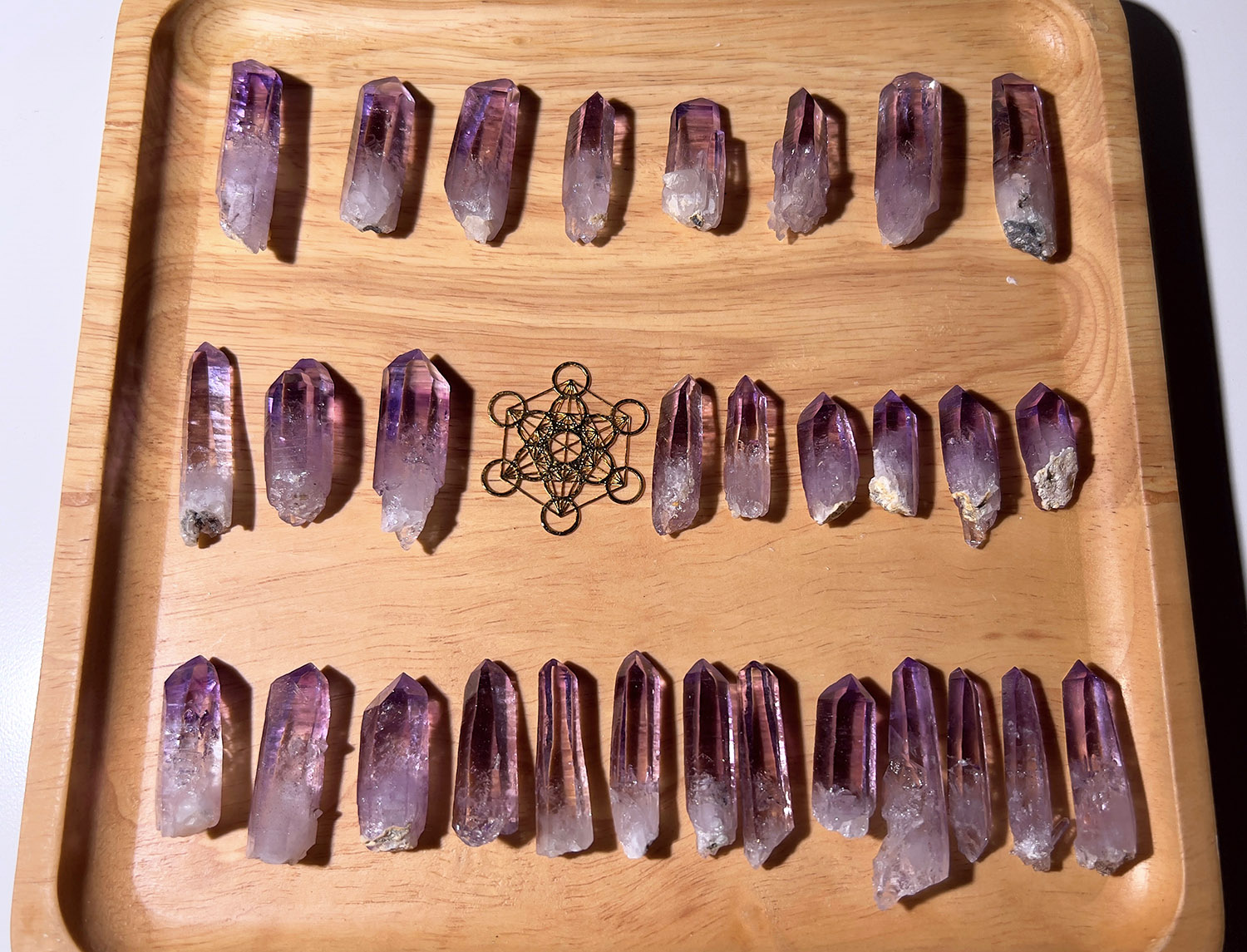
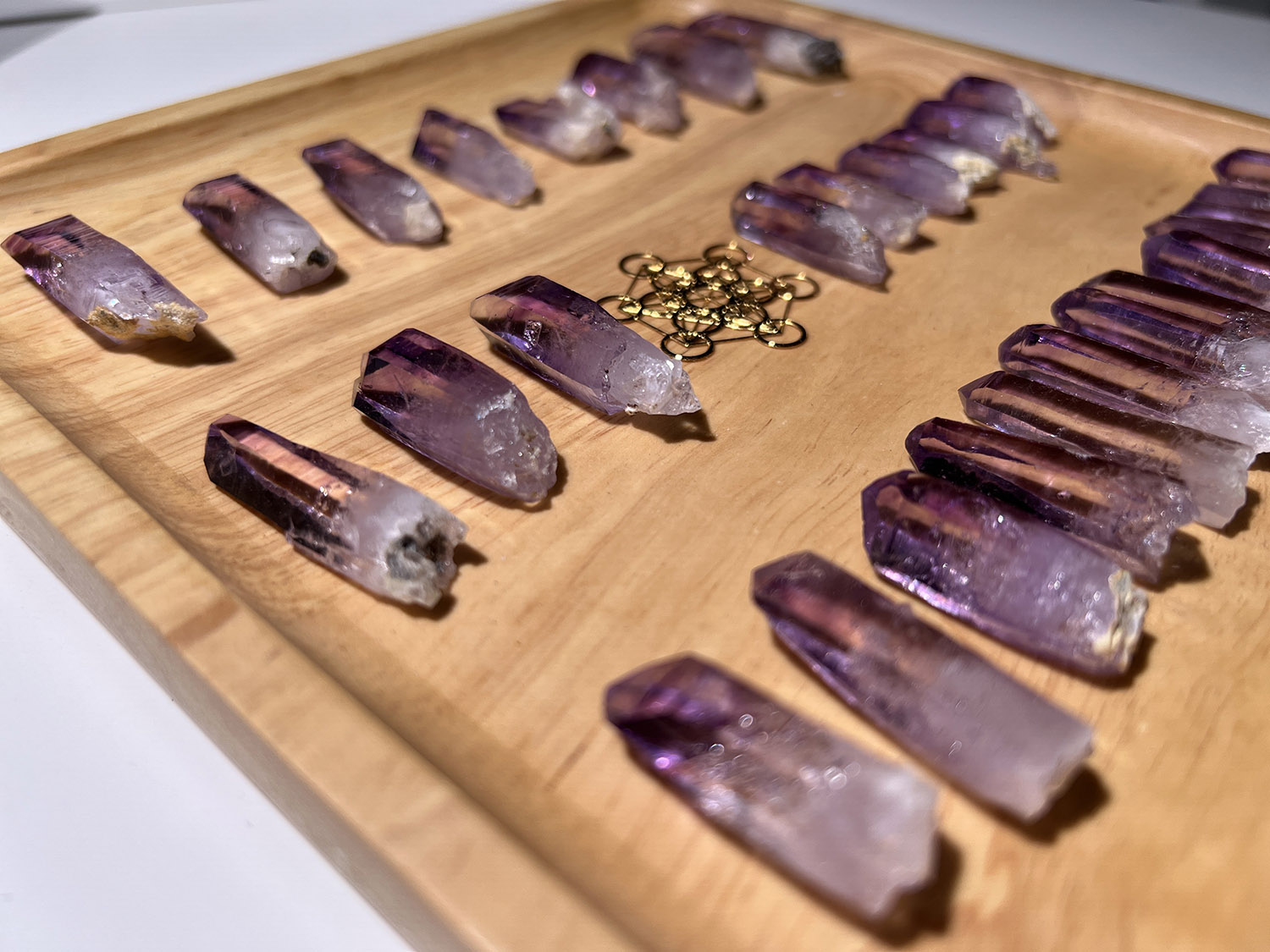
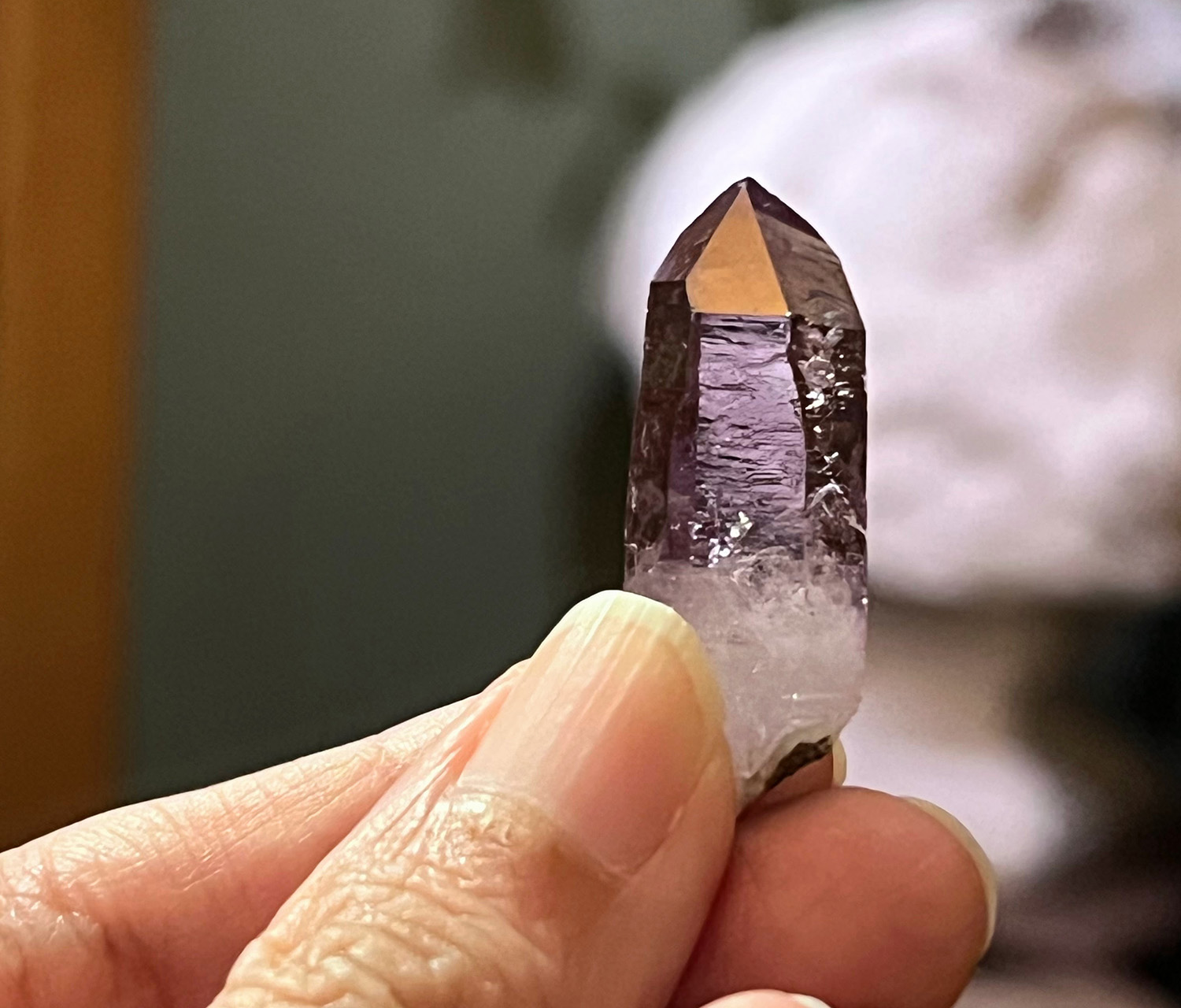
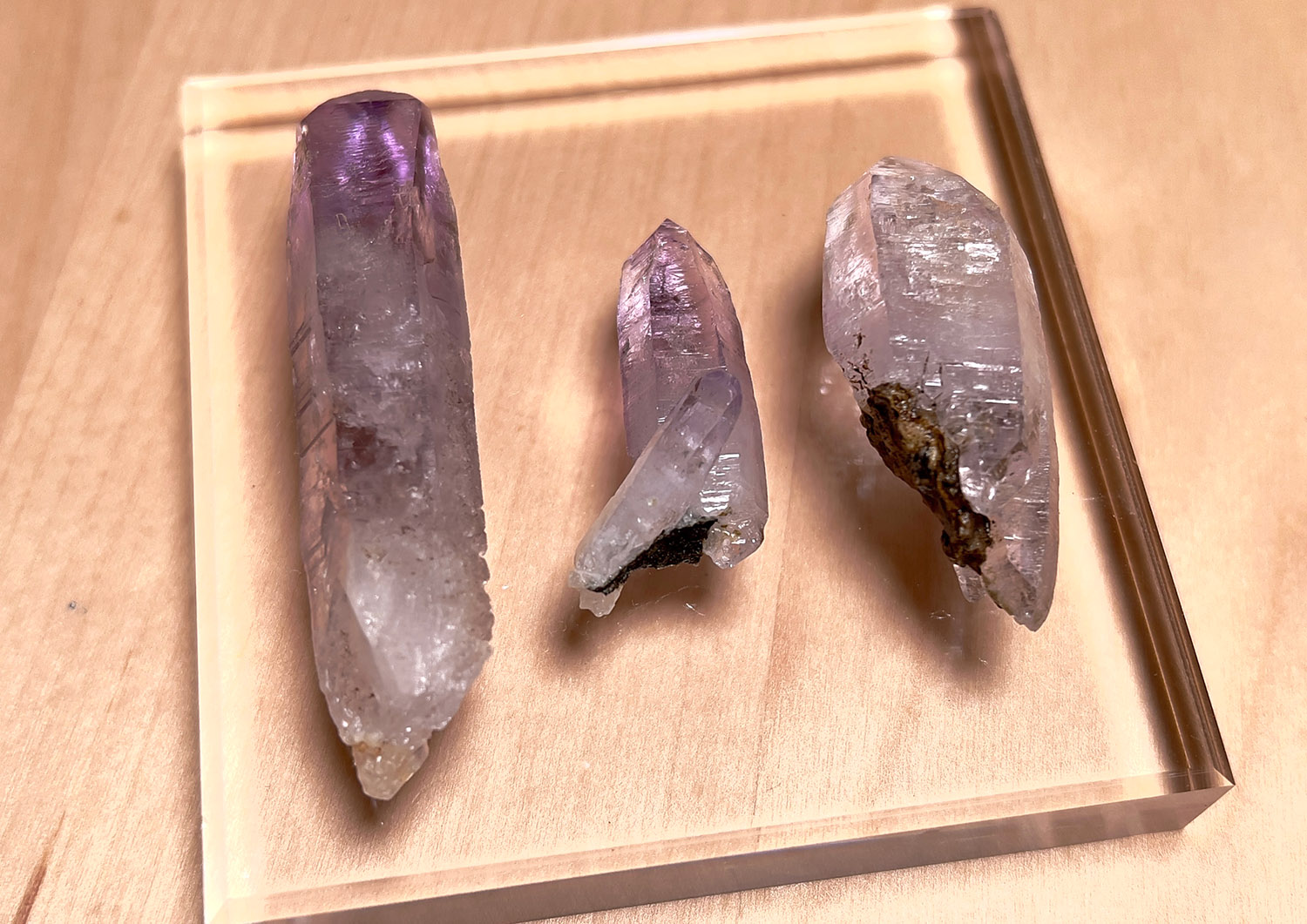
Vera Cruz Amethyst possesses a beautiful purple color, primarily caused by trivalent iron ions. Under the influence of natural radiation, the color is further intensified and stabilized through color center effects in the crystal lattice, ultimately creating varied and unique purple hues. The color ranges from pale purple and lavender to deep violet. The crystals are remarkably transparent; the base is usually the root or white quartz, with the purple color gradually appearing from the bottom toward the tip, and the apex typically exhibiting a deeper purple.
Purple "phantoms" can occasionally be seen within Vera Cruz Amethyst crystals, and inclusions are also sometimes present. A phantom refers to a pyramid-shaped area inside the crystal that appears as an inverted triangle to the eye; some are stacked inverted triangles, while others exhibit a more complete pyramid shape. The variations are diverse, and many phantoms create different visual effects depending on the viewing angle. As the name "phantom" suggests, it expresses this elusive phenomenon. Generally, phantom crystals are classified as a type of inclusion quartz (lodolite), and their formation may be related to internal mineral inclusions or growth rates.
Most single-terminated prismatic crystals of Vera Cruz Amethyst range from 2.5 cm to 6 cm in length, rarely exceeding 8 cm. In addition to small single-terminated types, most others are small crystal clusters; in fact, these single points likely detached from clusters as well. The market price varies in different ranges based on clarity and the intensity of the purple color. Between the least transparent, less purple, and smaller crystals compared to gem-grade Vera Cruz Amethyst that is transparent with rich purple color and phantoms, the price difference can reach more than fivefold.
Additionally, there are skeletal Vera Cruz Amethysts, which look like enlarged versions of the single-terminated prismatic crystals, but their color is usually pale purple, and the crystal body features the skeletal framework texture. The facets of the tip typically exhibit the typical "window" formation of skeletal crystals. These skeletal Vera Cruz Amethysts are generally thicker or slightly longer than the single-terminated ones, coming in various sizes, but they are still considered relatively small crystals, with lengths generally within 10 cm.
Lemurian lineage
I acquired my first Vera Cruz Amethyst at least five years ago, shortly after I started working with crystals. At that time, I began to be "called" by certain crystals, and whenever I felt called, I would purchase them to experience them. That is how the Vera Cruz Amethyst came to me. On the first night it arrived, I placed it by my pillow as I slept, with no intention of connecting with it. However, I clearly heard a sentence coming from it by my pillow: "From Lemuria."
At that time, I didn't really understand that concept. Although I had heard the name and knew it was a legendary ancient civilization, I had absolutely no interest in Lemuria then. My focus was on other crystals, so I just thought to myself, "Oh, okay." It felt like a "friendship as light as water"—polite but distant—since it didn't say anything more. Perhaps it was because my belief and perception systems didn't have a particular affinity for Lemuria at that time.
However, a few years later, after encountering Colombian Lemurian Seed Crystals, I realized that the main axis crystals belonging to the Lemurian lineage all display three-dimensional horizontal growth striae, resembling barcodes, on their mineral bodies. I immediately thought of Vera Cruz Amethyst, recalling that they also possess transparent surfaces and barcode-like three-dimensional growth striae. Furthermore, they often exhibit the standard Muzo habit—that is, within the six sides of the prism, three narrow faces and three wide faces grow alternately. In Lemurian crystals, some have three wide faces with a matte texture and three narrow faces with a lustrous texture, or horizontal striae on specific faces; in Vera Cruz Amethyst, some may have more striae or skeletal textures on three of the faces, with each being unique.
After owning Vera Cruz Amethyst for many years, it has only recently begun to appear frequently in my inner vision. Because of this, I have reconnected with Vera Cruz Amethyst and entered a period of experiential integration.
Energy Characteristics of Vera Cruz Amethyst
During my initial connection with Vera Cruz Amethyst, it prompted me that they would restart or recalibrate the chakras. When I tried to feel its frequency, I felt that unlike connections with other crystals where I slowly merge with them, the Vera Cruz Amethyst felt more like having its own distinct frequency separate from mine; I could sense that difference.
Then, I felt the crown chakra initiate a large pulsation. Based on my perception of the chakra's rotation, it was opening to receive energy from above and then beginning to transmit it downward. I felt flickering bits of violet-blue light interacting with every cell or node in the upper part of the brain. Next, the third eye (brow chakra) became active, but I sensed that its pulsation was directing energy outward—much like how, during sleep, a certain consciousness exits from the position of the third eye.
Then, this energy continued downward to the heart chakra, unfolding into a flower with a thousand petals. As a side note, I have seen the energy forms of chakras in my inner vision several times as flowers with many layers of petals. The Vera Cruz Amethyst prompted me that it can unfold our High Dimensional Heart. This part can be imagined as the expansion of love on a much grander scale, as well as the unfolding of our true self.
It invited me to visualize and feel this energy finally extending from beneath my feet to connect with underground mineral veins, reaching directly into the Lemurian civilization, including those in the mountains and the oceans, and then to feel myself connected with the collective of that civilization. Throughout the process, I also felt as if I had become a Vera Cruz Amethyst crystal myself, or as if I were enveloped by its energy. During one connection, they expressed to me that their energy is comprehensive from head to toe; I feel it is not limited to the primary experiences of the crown, third eye, and heart chakras, but also includes the activation of the Earth Star chakra and others.
Almost all the Vera Cruz Amethysts acquired this time contain pyramid phantoms, which serve as a portal to strengthen connection. If you keep gazing at it, it is very likely that this purple pyramid will continue to emerge in your inner vision for a period of time to follow.
During a connection one day, this purple phantom led me upward, layer by layer. I felt that they have a connection with a higher field; they like to use the word "Heaven" to express this higher realm. Then, they guided me to bring "wishes." At that time, I thought seriously about the meaning and connotation of this word. I believe it is a form of blessing or a true longing from within your heart, which can then be transmitted to the celestial realm through this pyramid. So perhaps I can say: it has the ability to amplify prayers and wishes.
Personally, I feel that they still have a wealth of information to be experienced, but for now, they have told me: it is enough. In terms of the information written here, it is enough for the time being. The rest will be for my personal private experience, as well as your own personal private experiences. : )

 EN
EN  TW
TW  KOR
KOR  JP
JP  IT
IT  FR
FR  ES
ES  PT
PT  DE
DE